1.618 Magasin
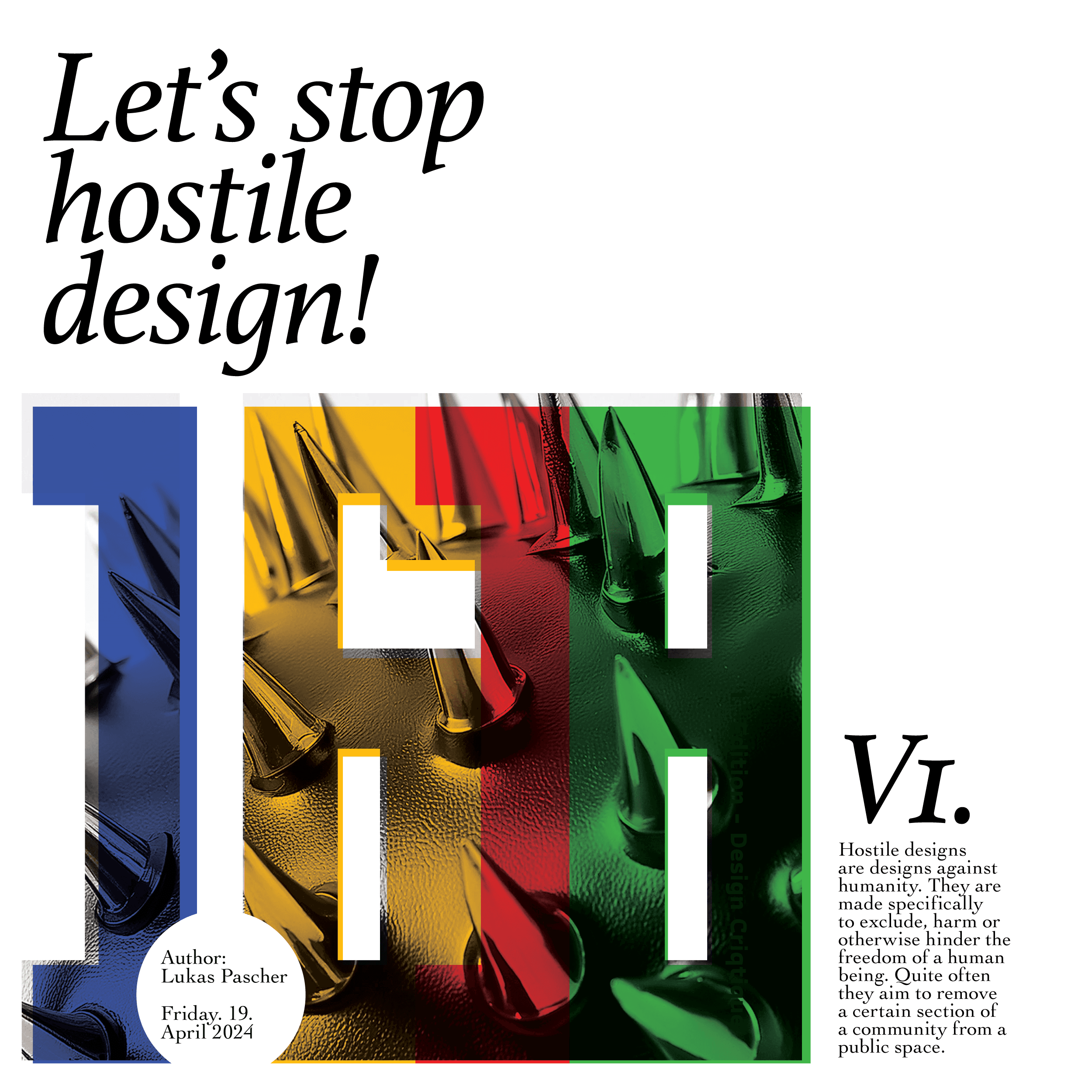
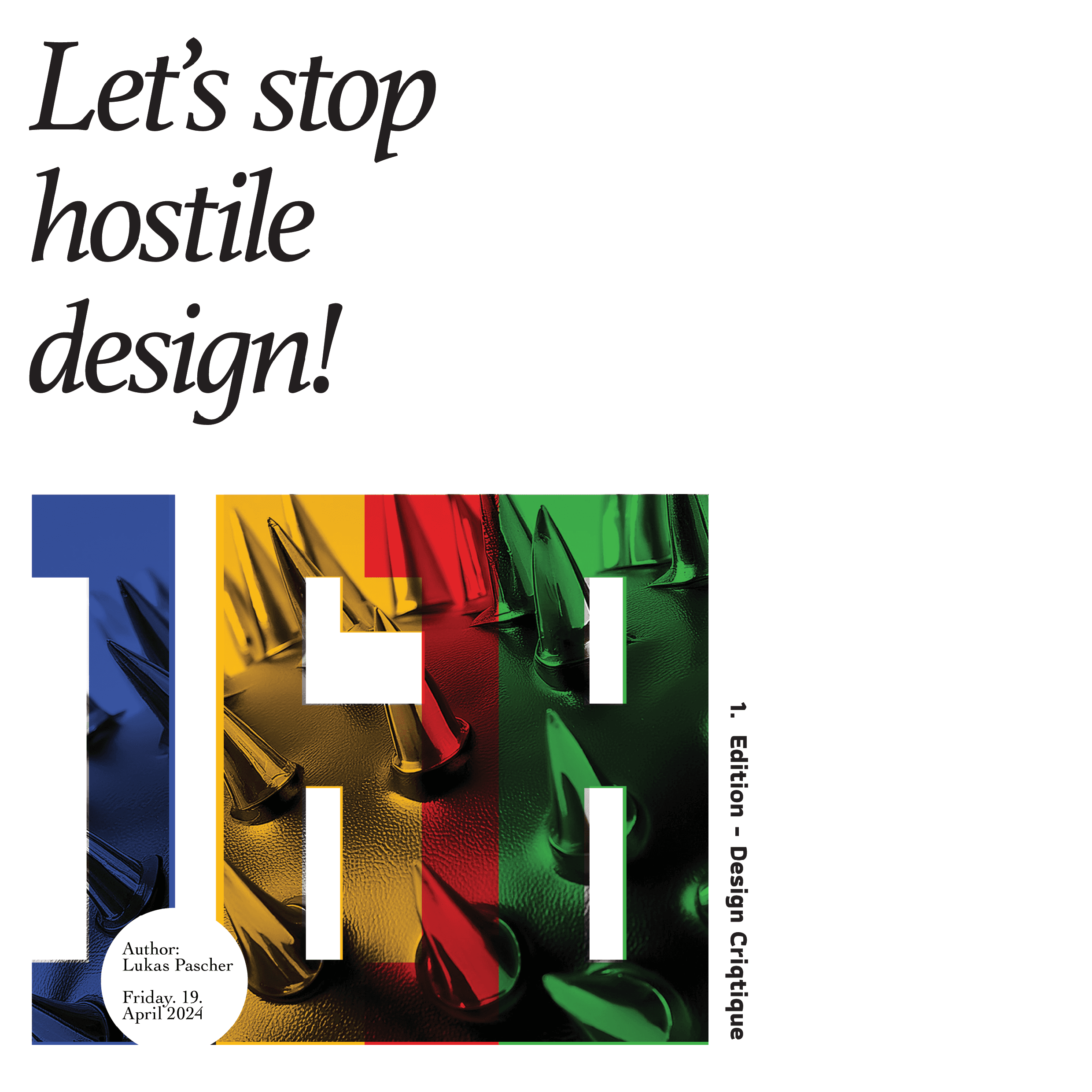
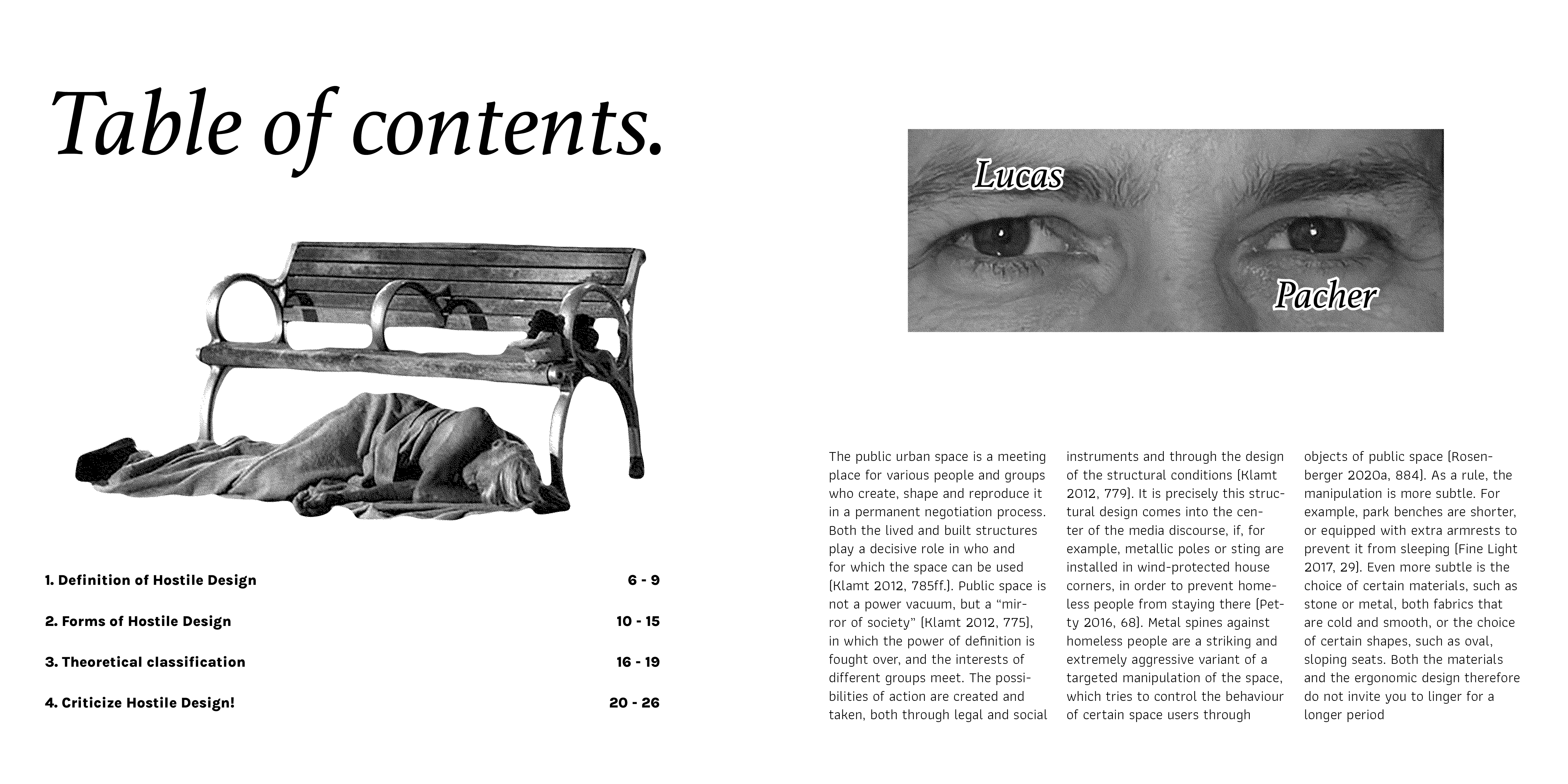
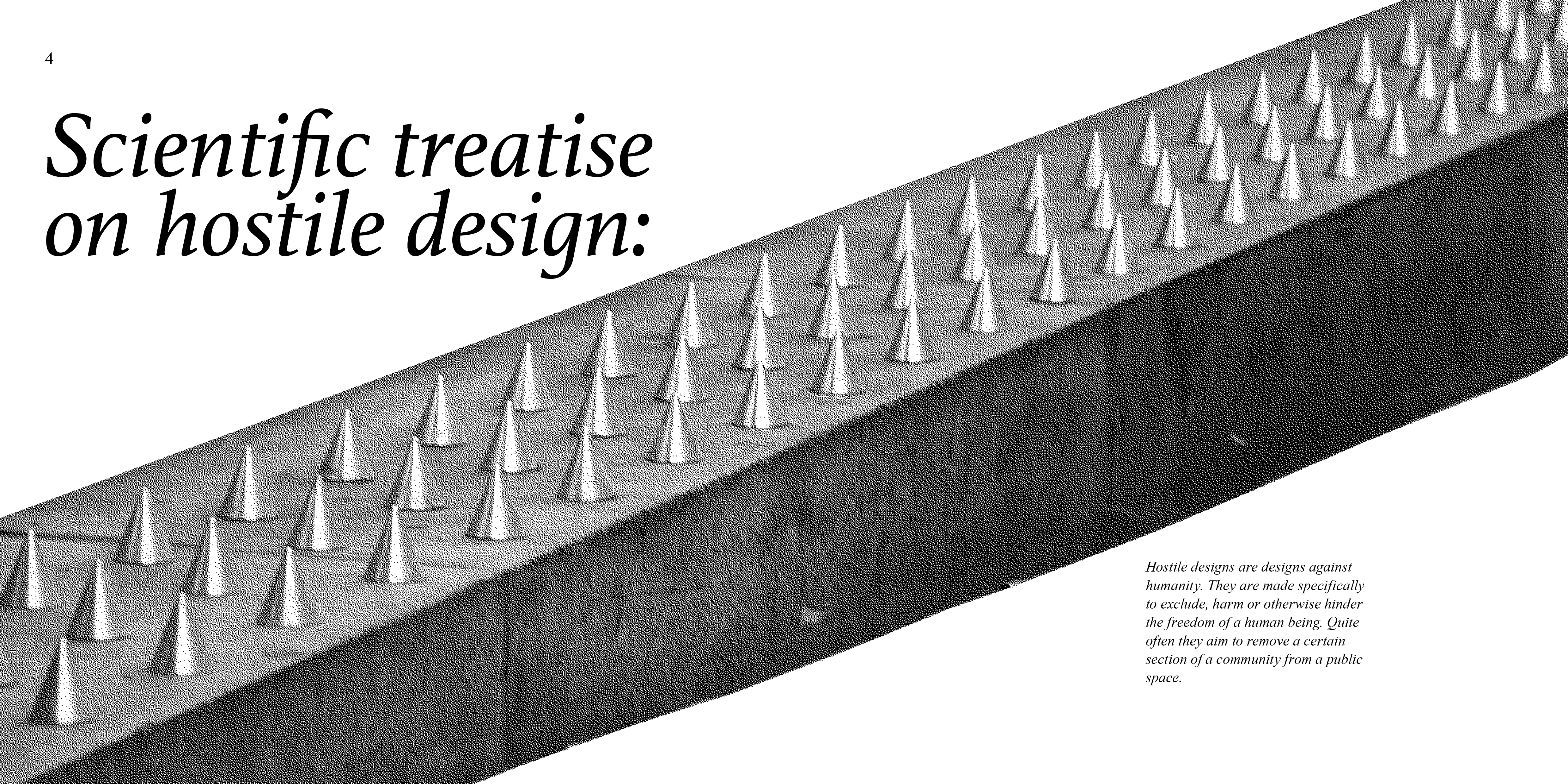
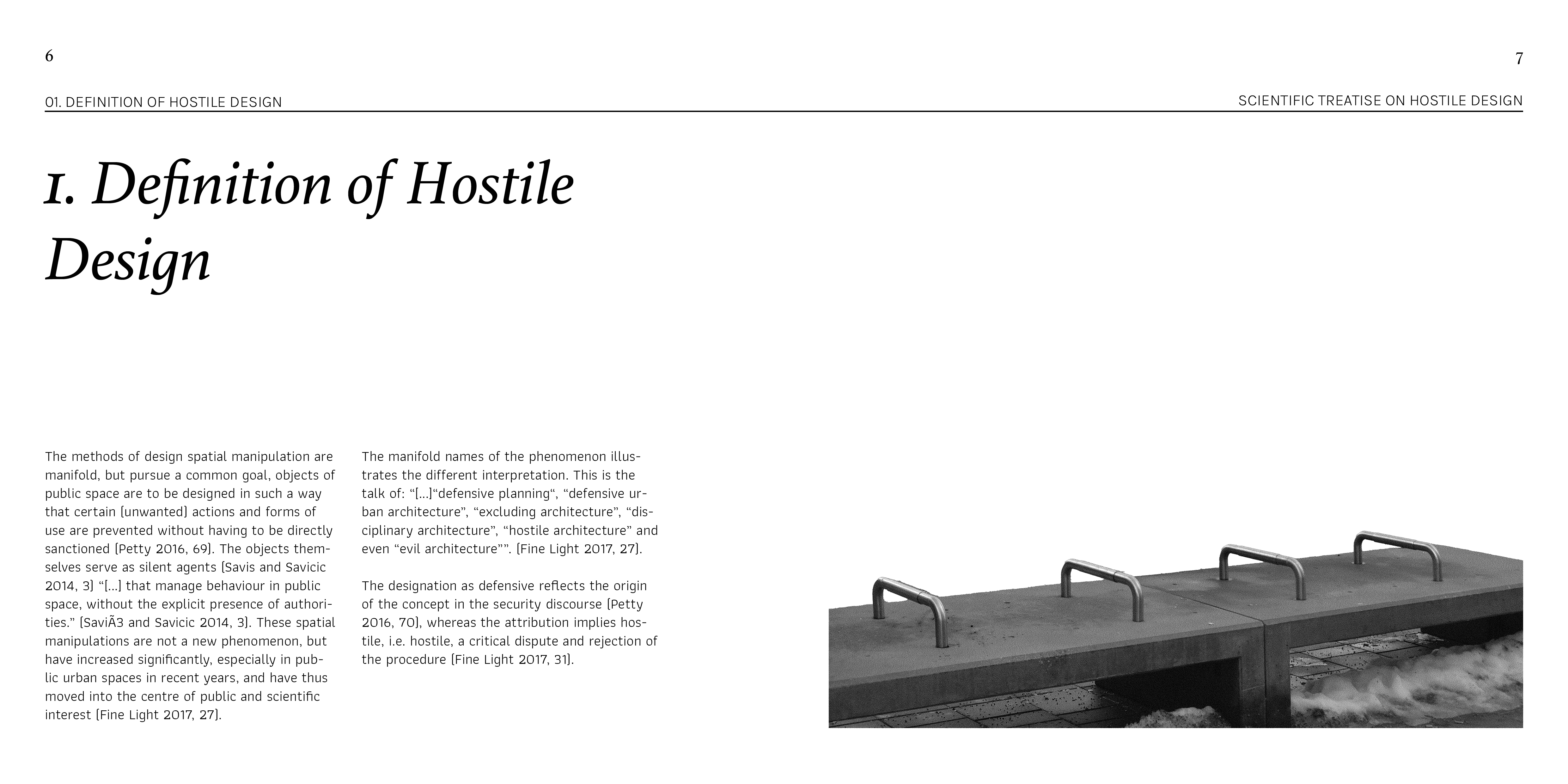
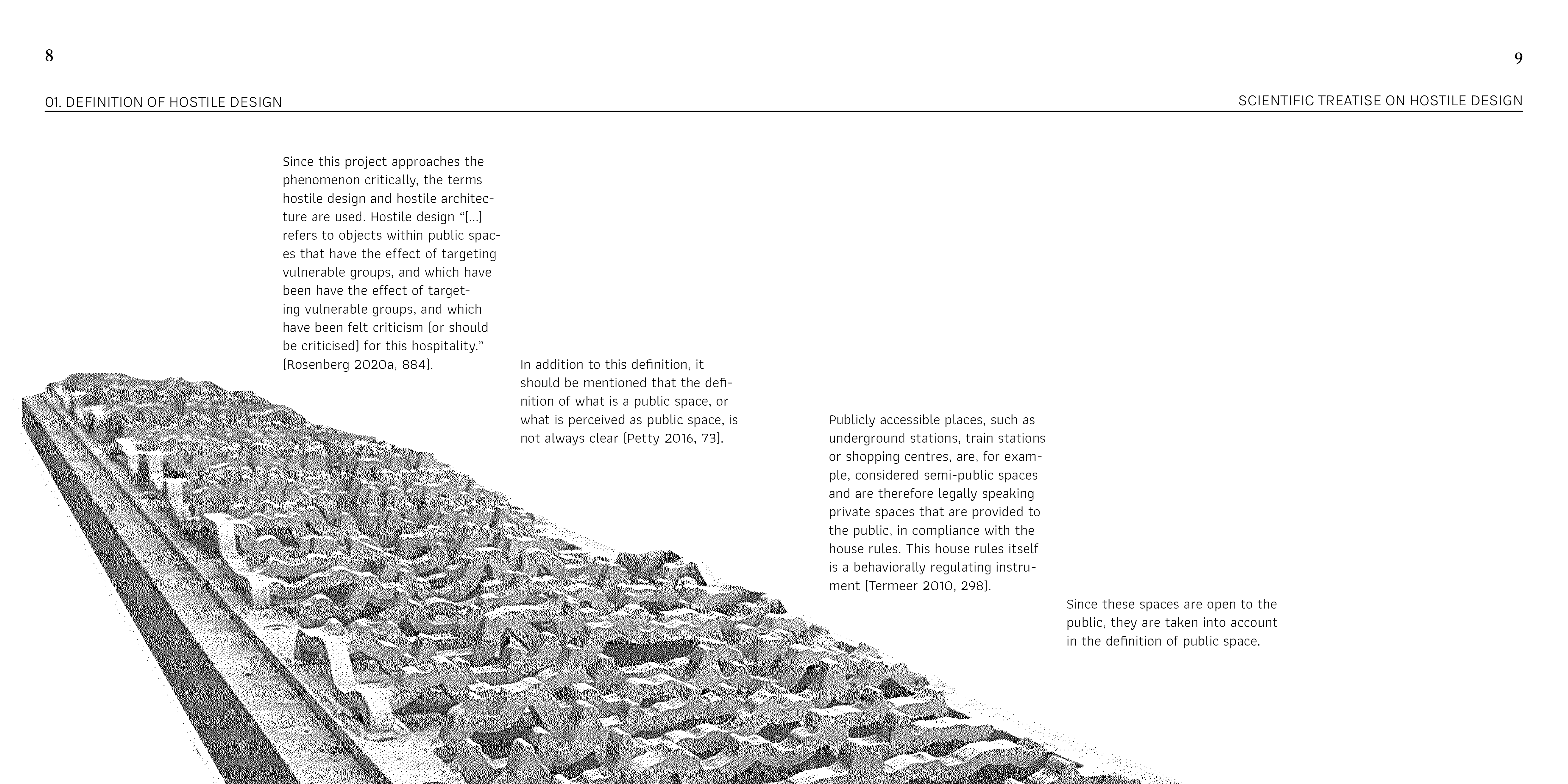
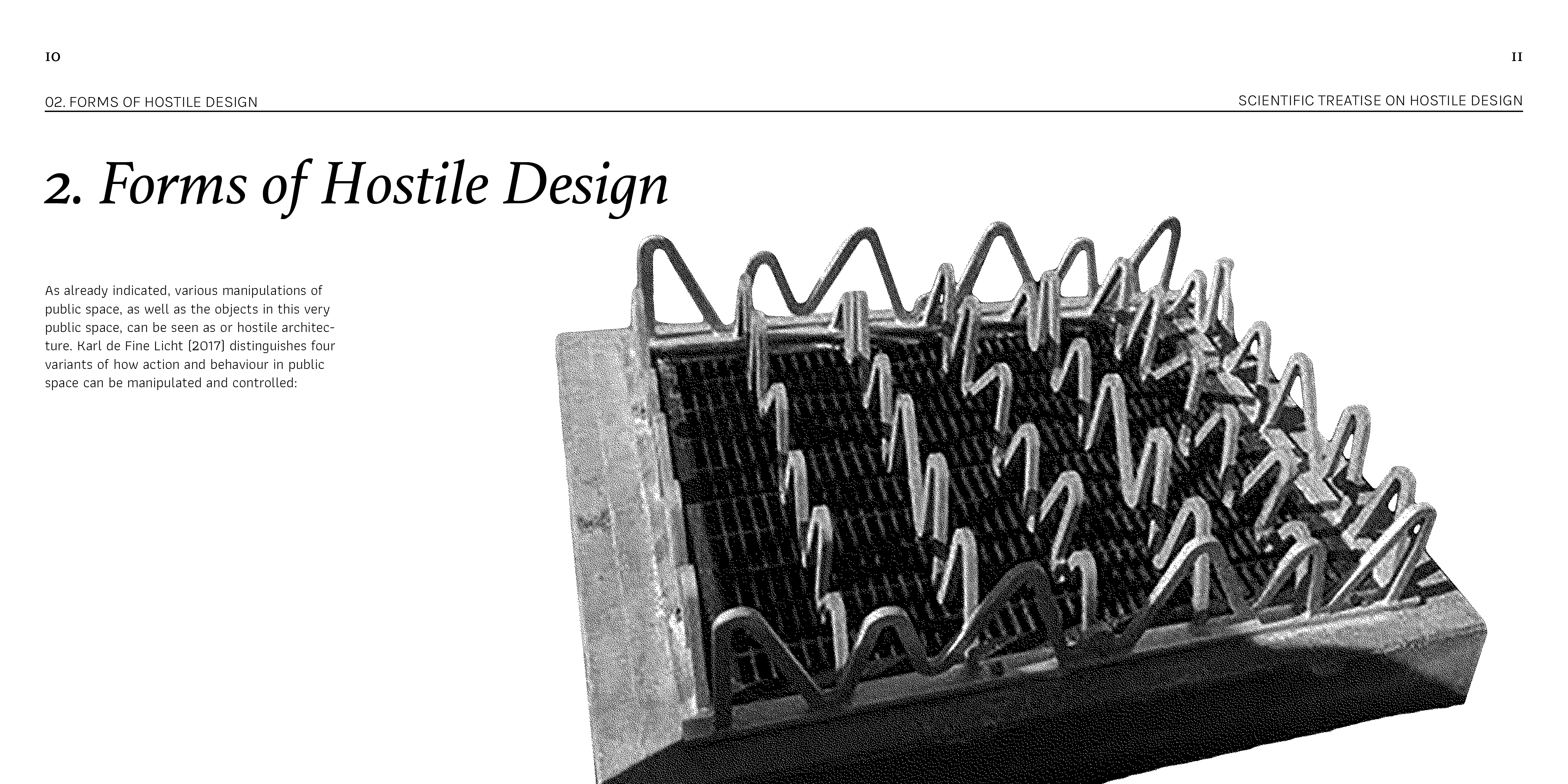
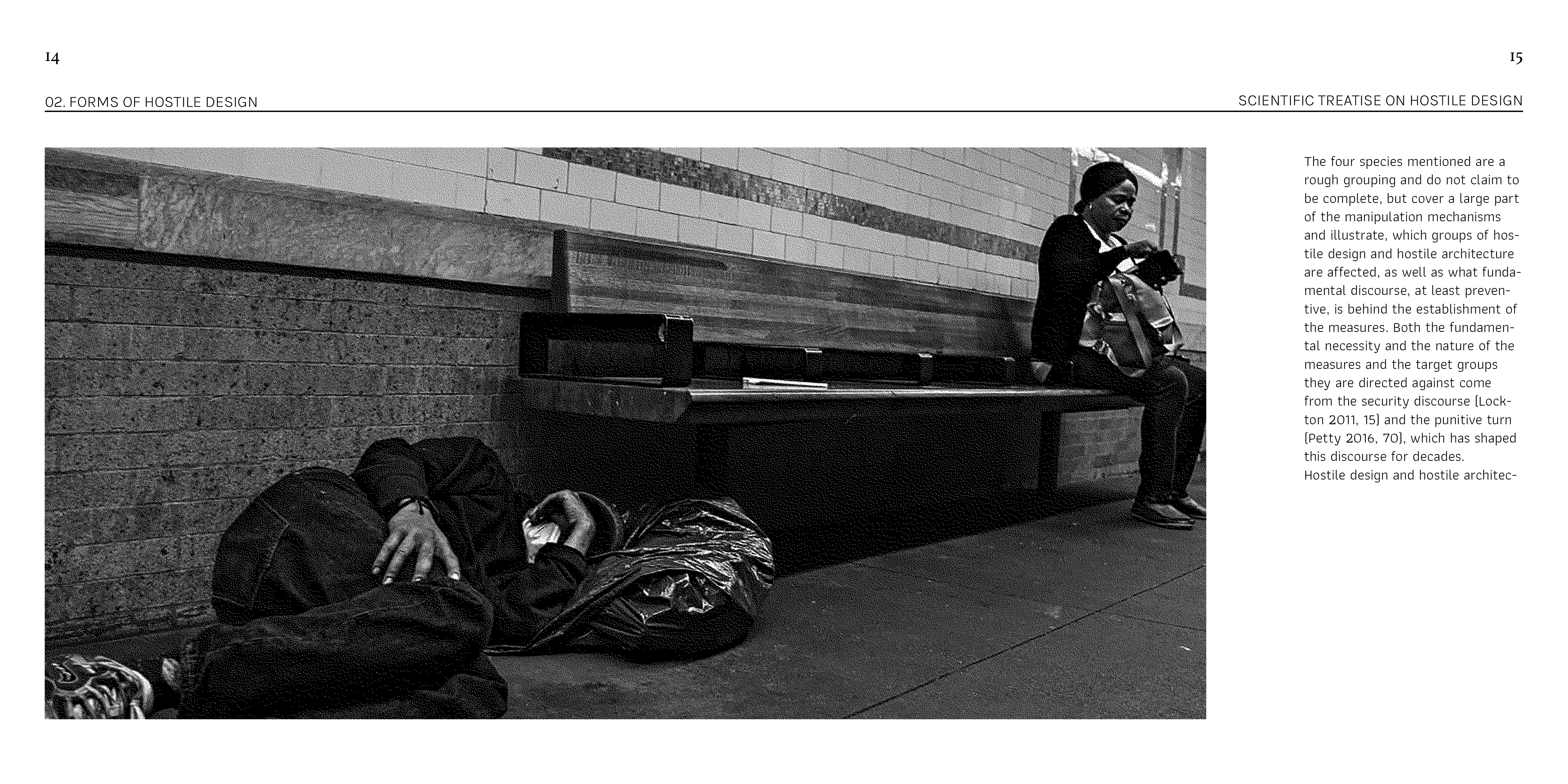
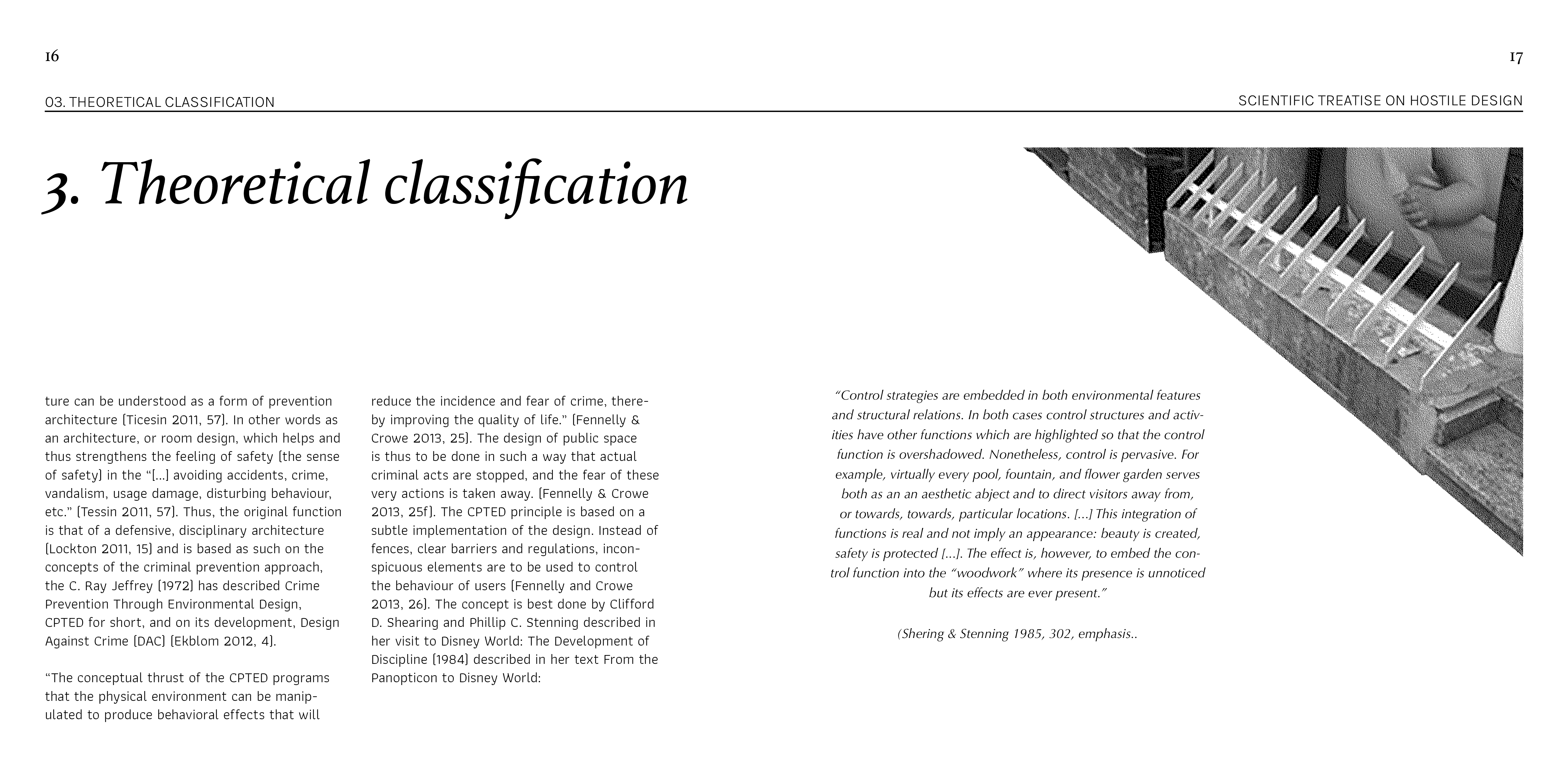
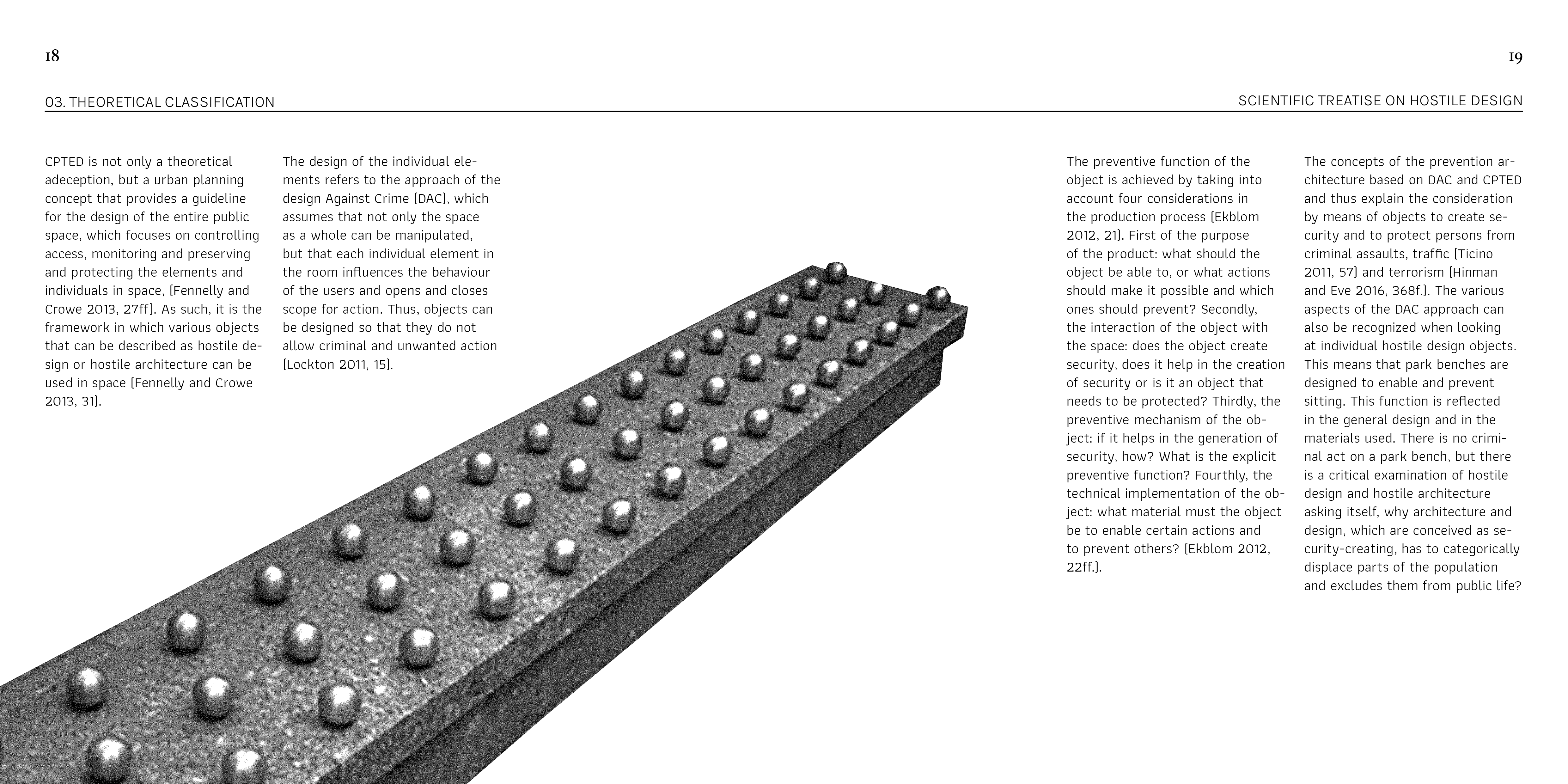
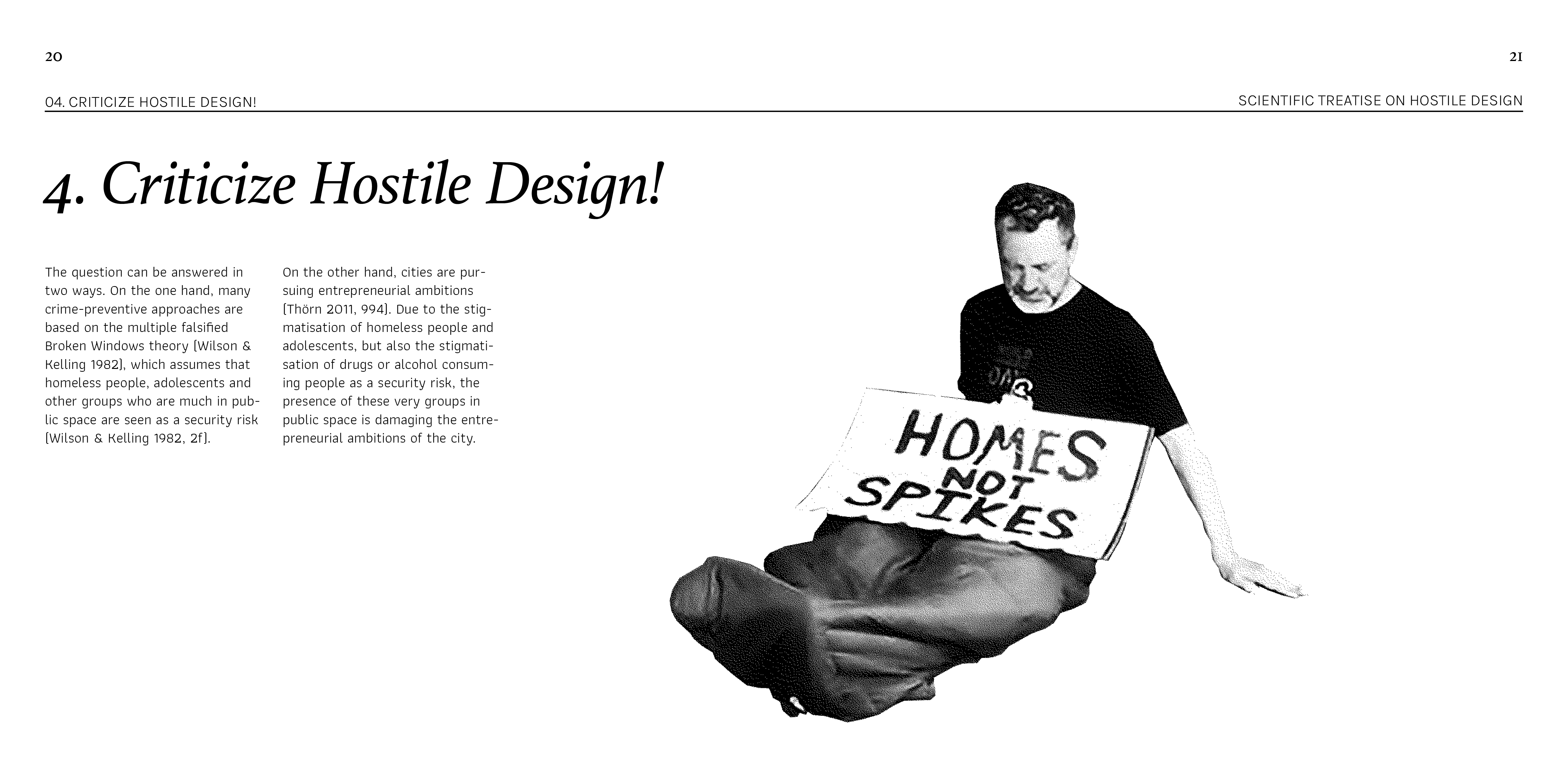
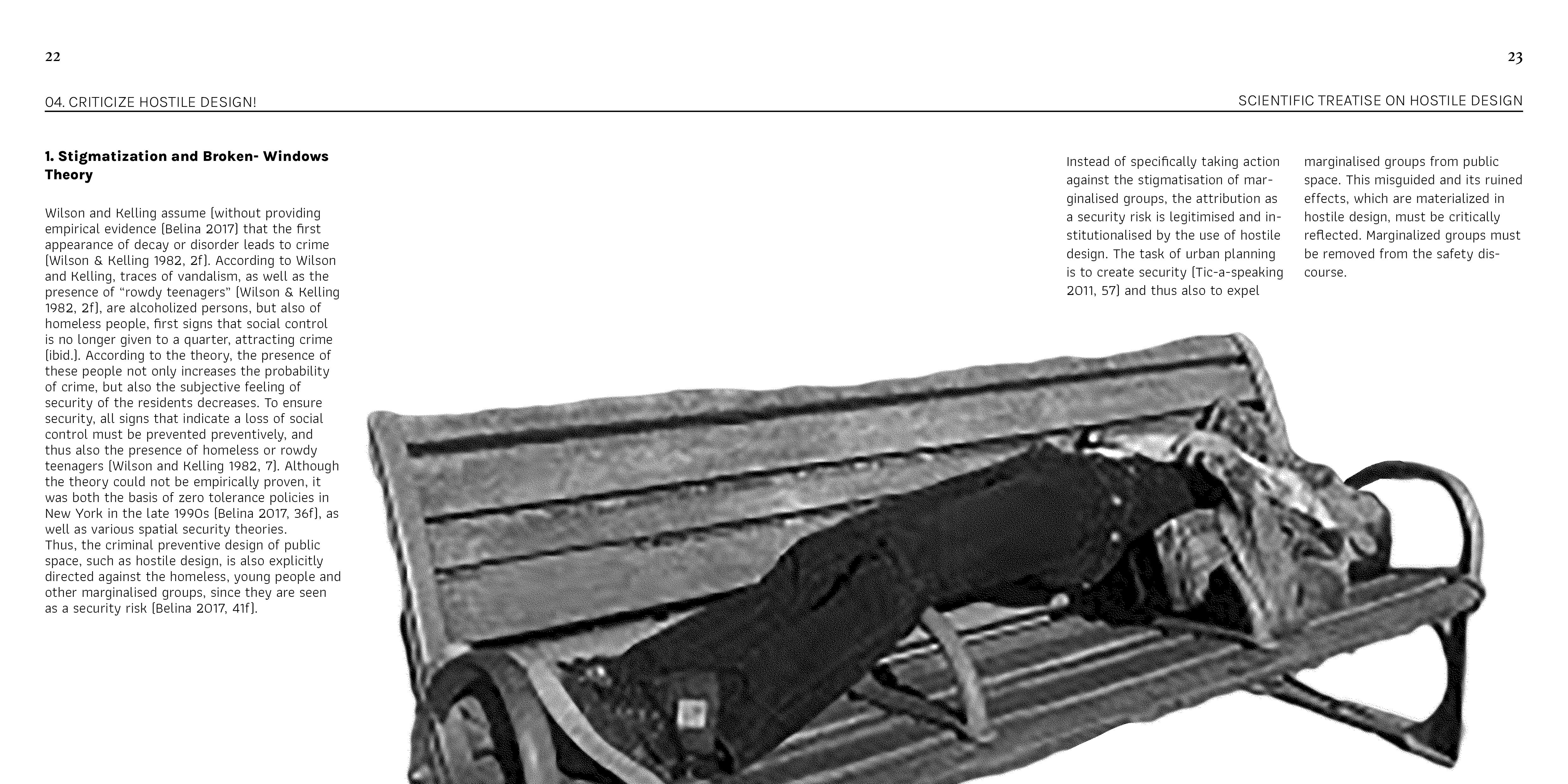
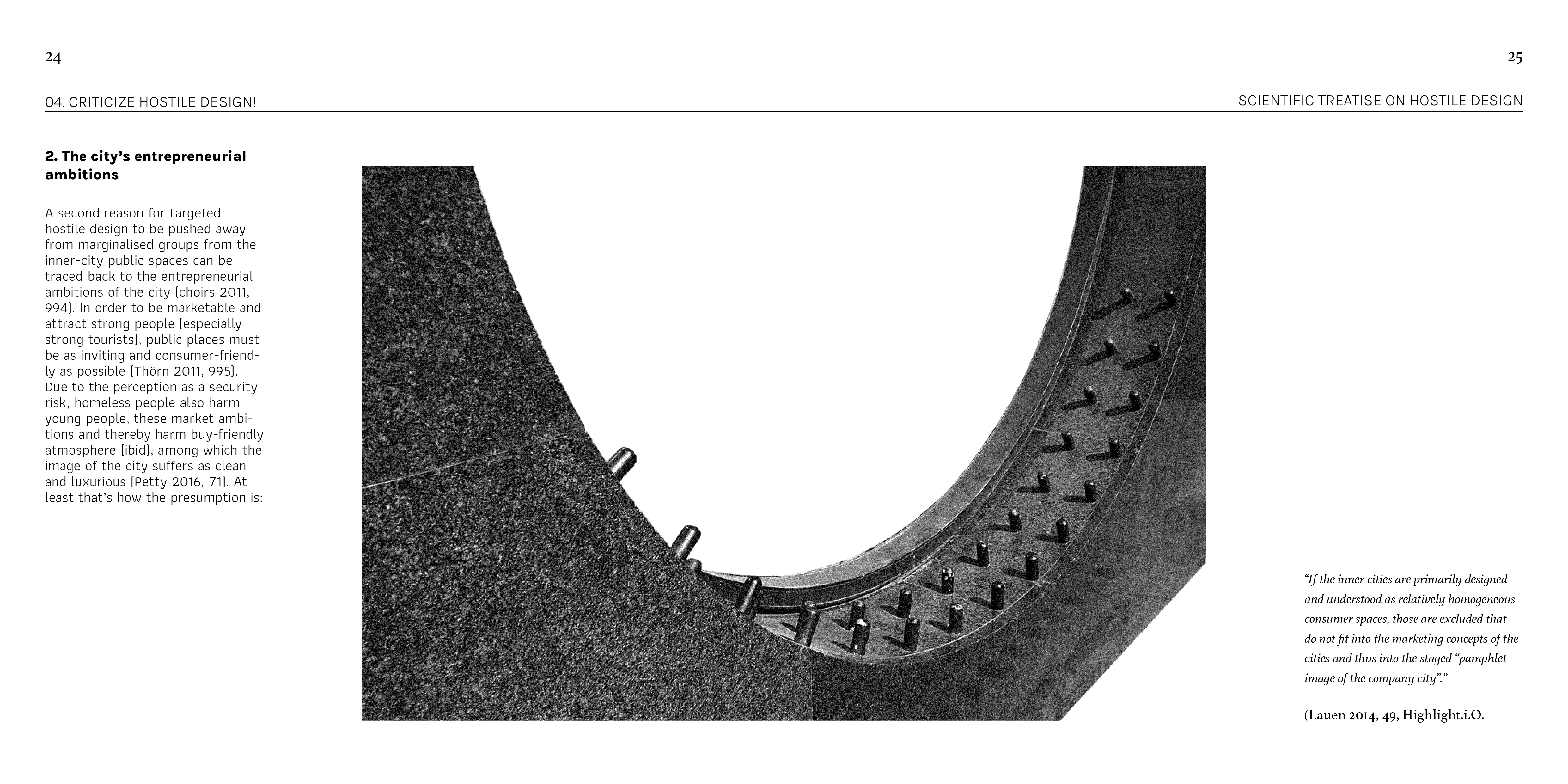
1.618 is a self-initiated magazine and website about design critique. The series looks at how design affects people in everyday life: who it includes, who it leaves out, and how it quietly shapes behaviour. Each issue focuses on one theme. The first issue, “Let’s stop hostile design!”, is about hostile / defensive design in public space: benches you can’t lie on, spikes on flat surfaces, and other details that make some people feel unwelcome. The aim is to make readers notice these choices, understand why they exist, and question whether this is the kind of city they want.
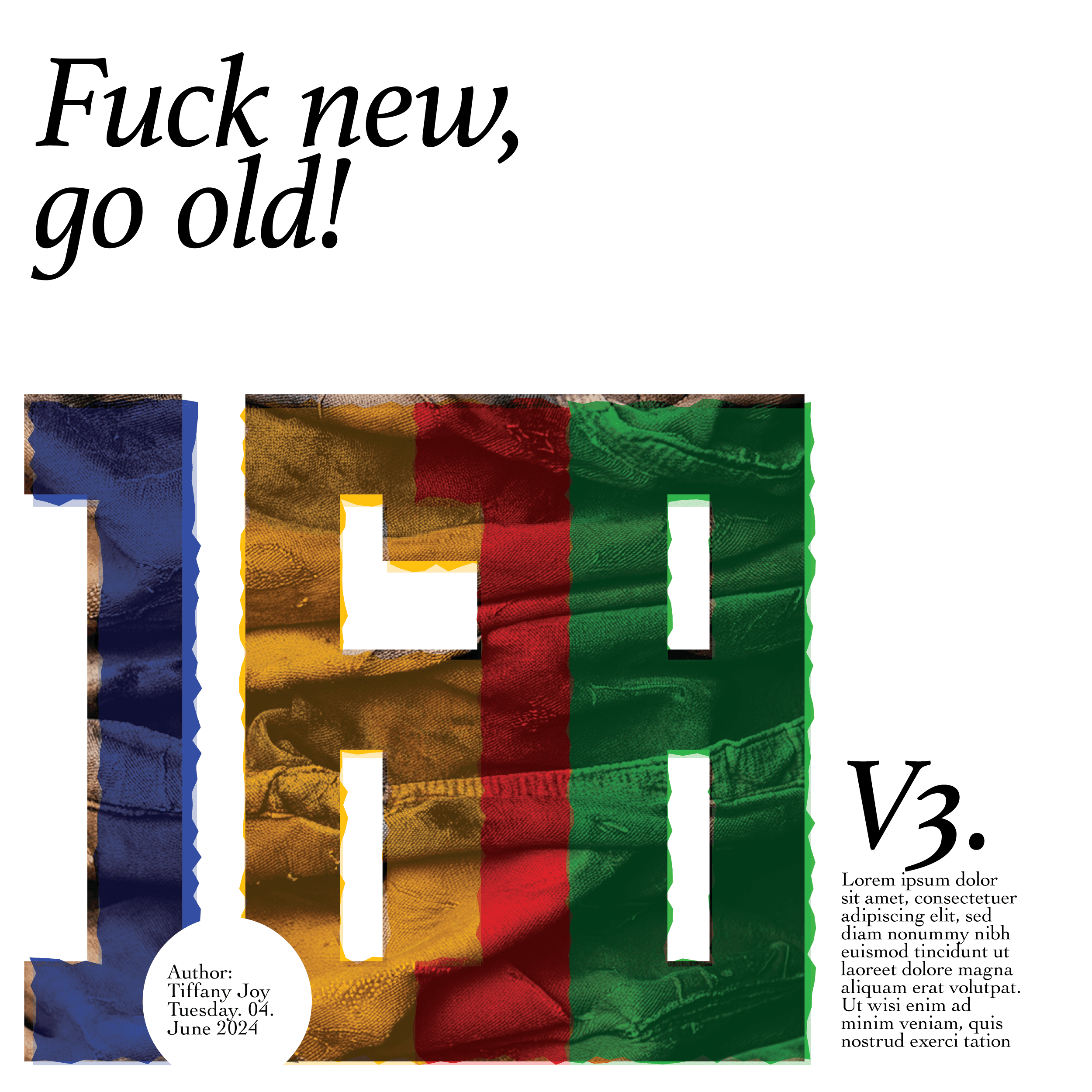
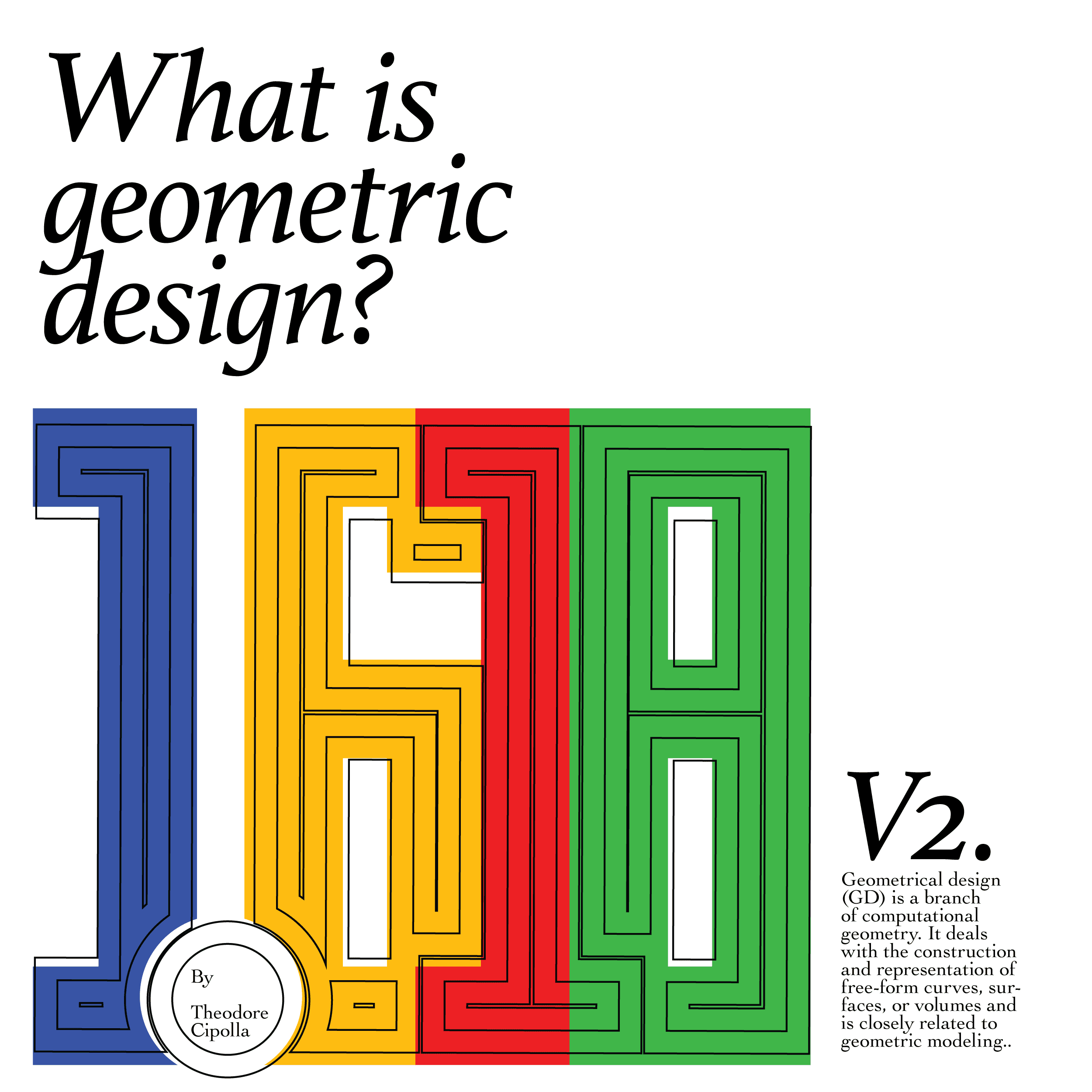
Logo
The name 1.618 comes from the golden ratio. It references the idea of “perfect” proportion and the way designers often lean on numbers, grids and rational arguments to justify decisions.
The logotype is built from the digits only. They are set very close so they almost fuse into one compact block. This gives the logo a strict, almost mathematical feel, which contrasts nicely with the messy, human topics the magazine deals with. It’s simple enough to work across different issues and formats, but distinctive enough to stand out on a cover or in a small corner of the website.

Editorial
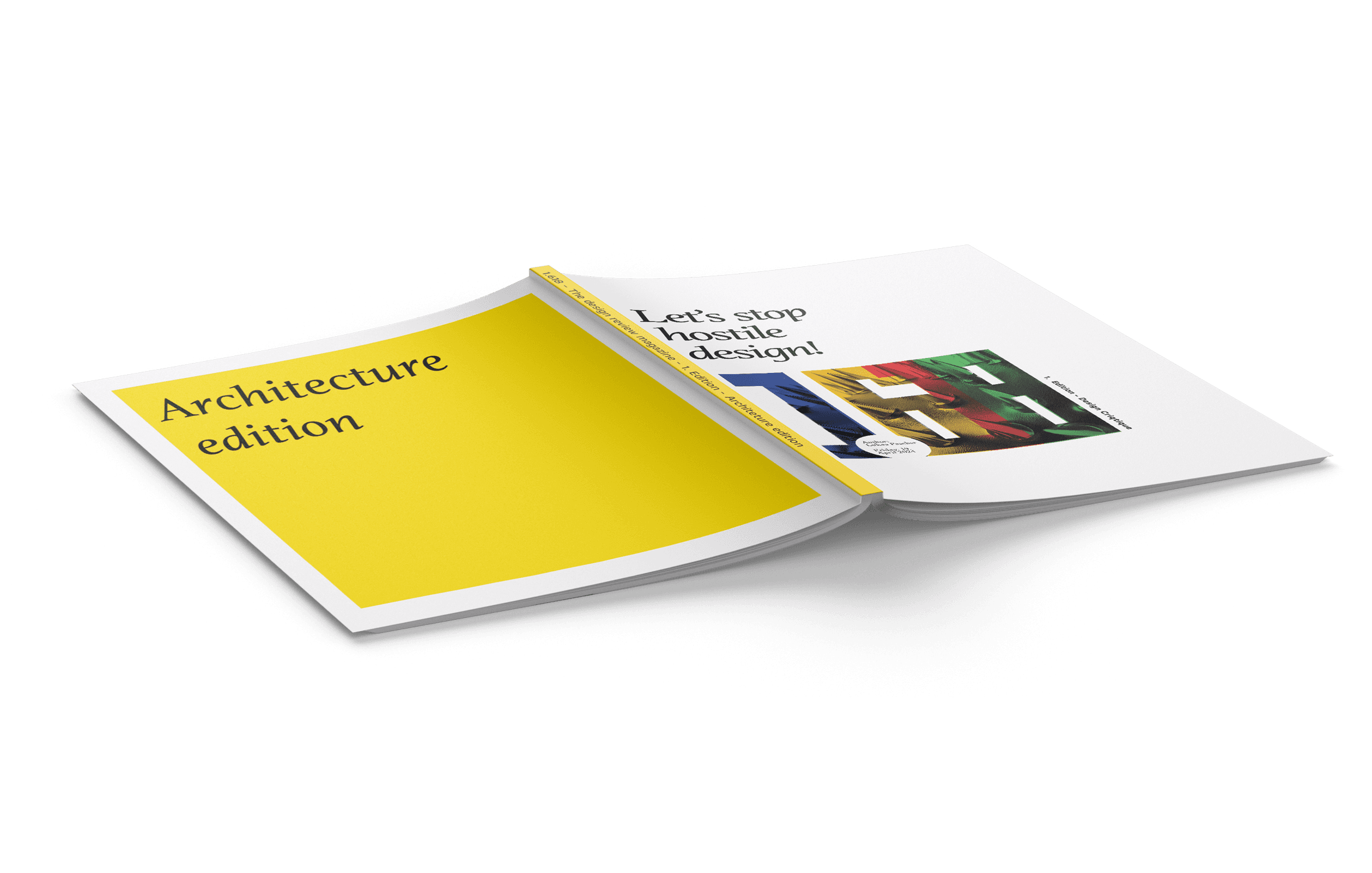
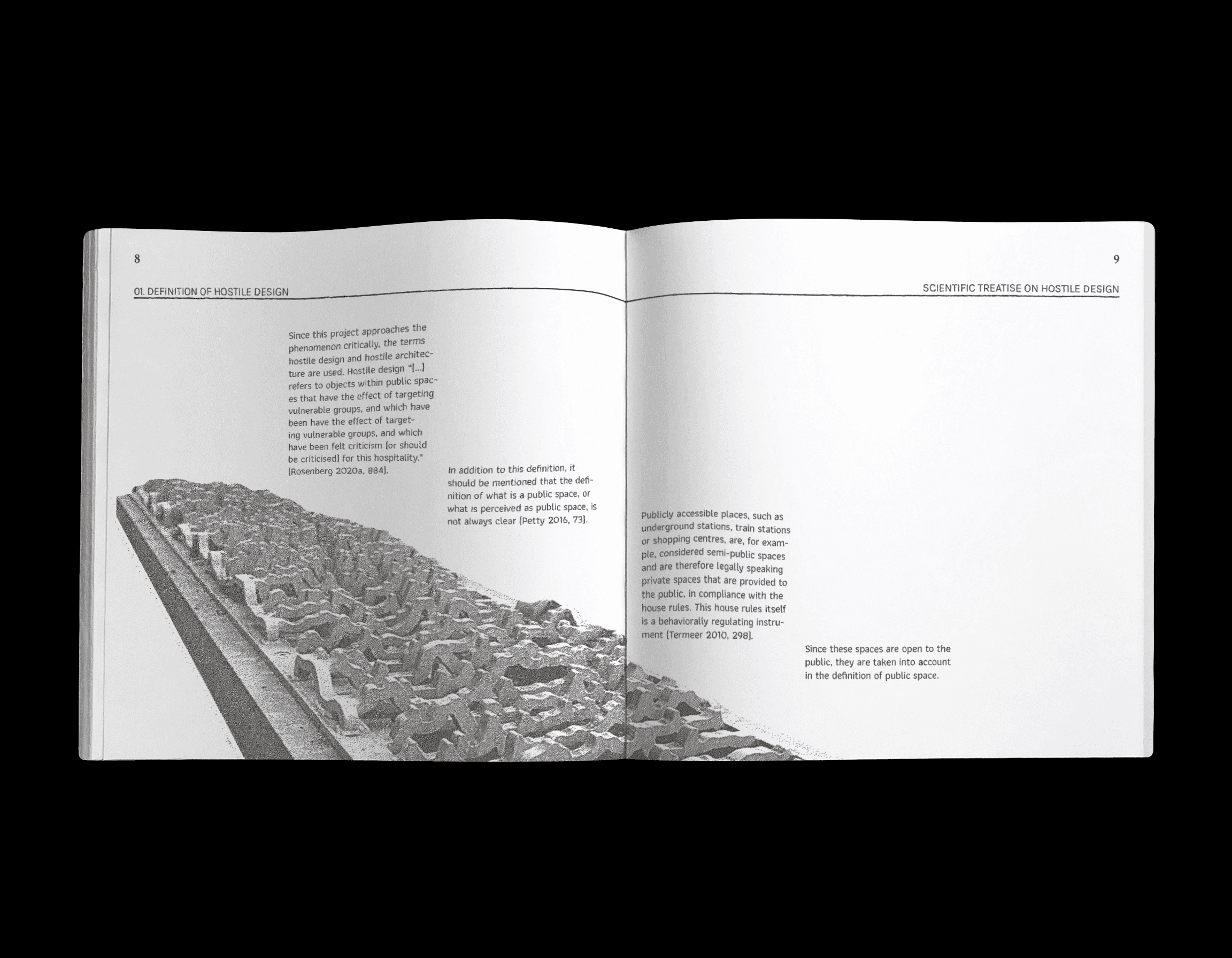
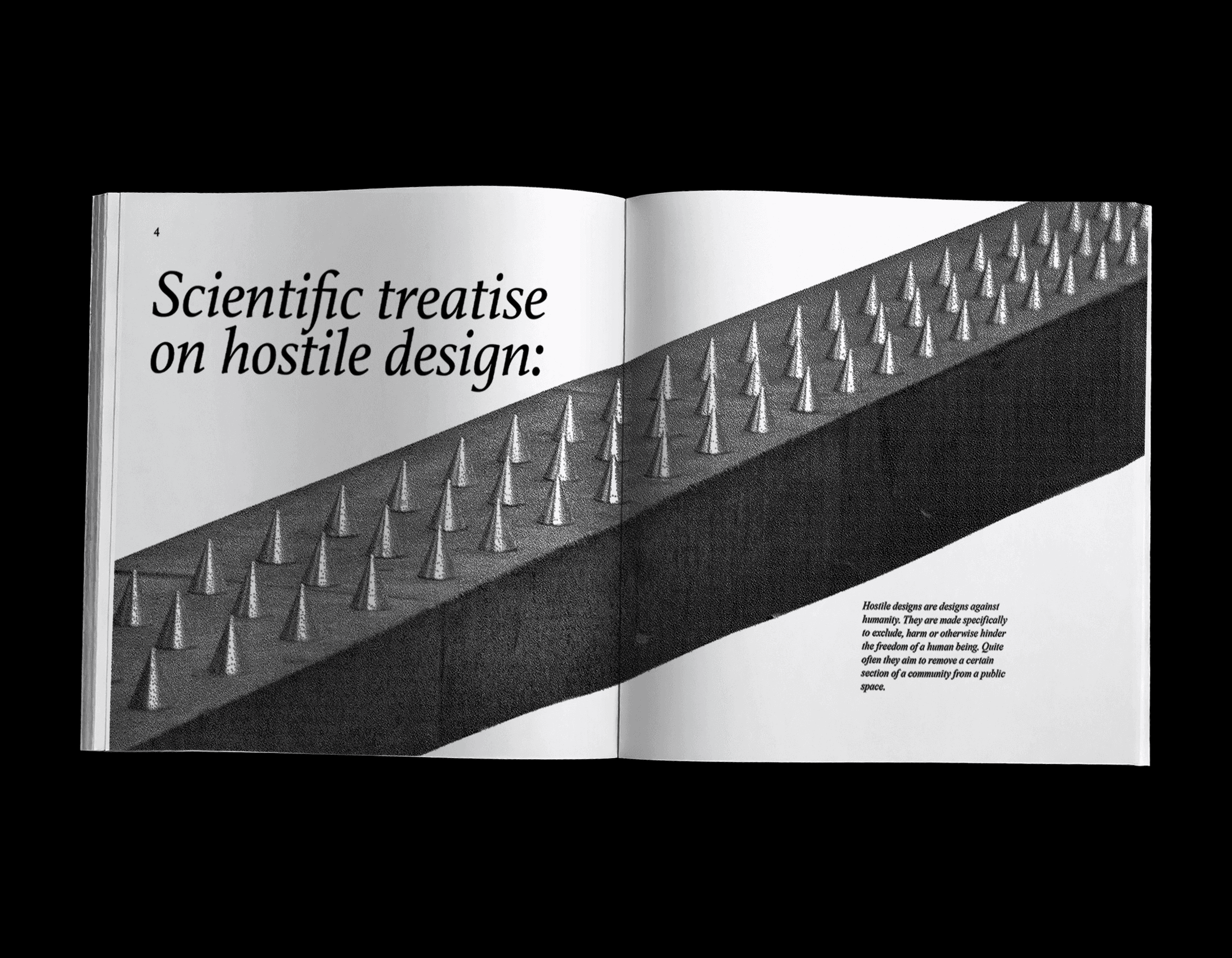
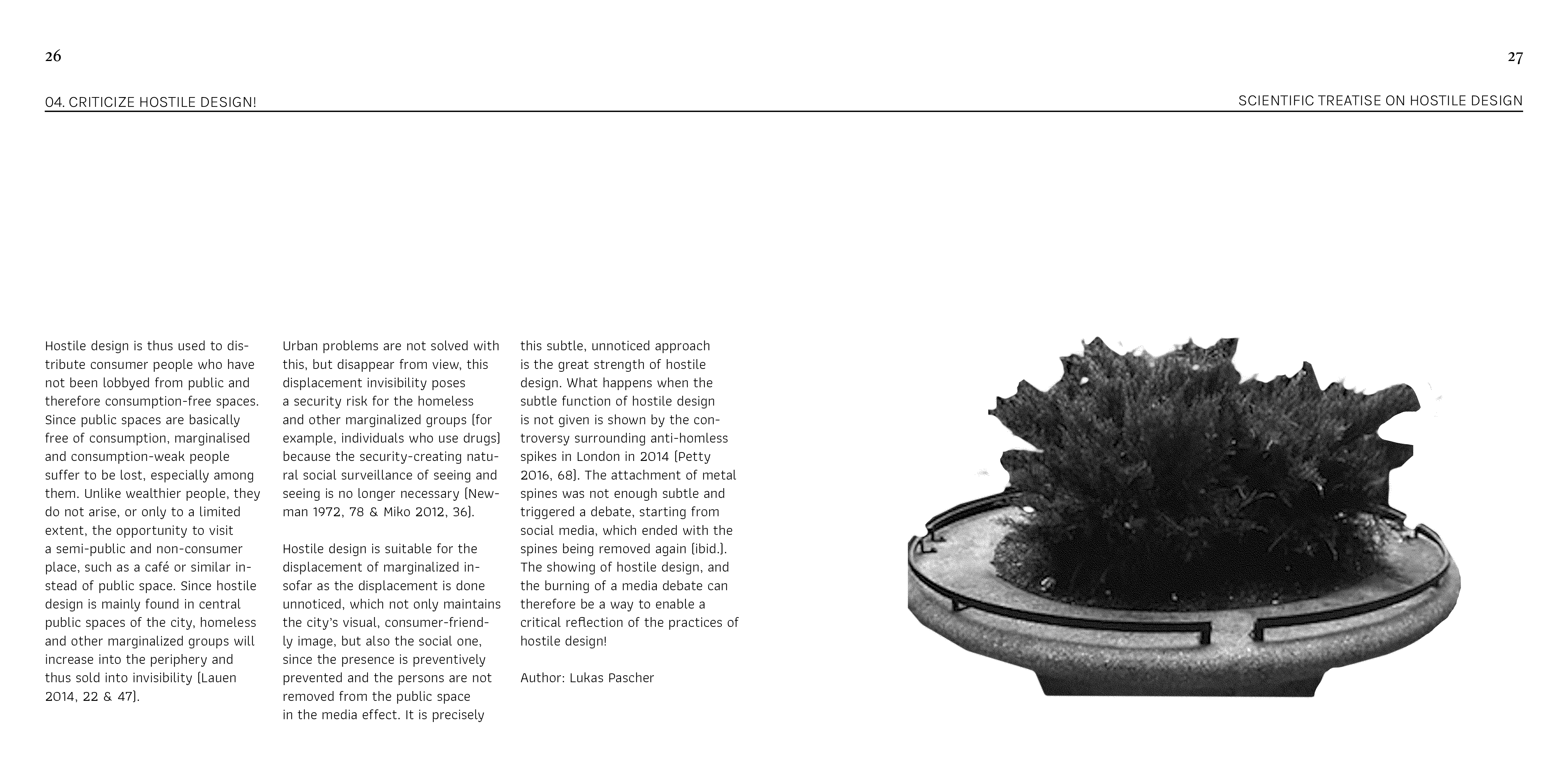
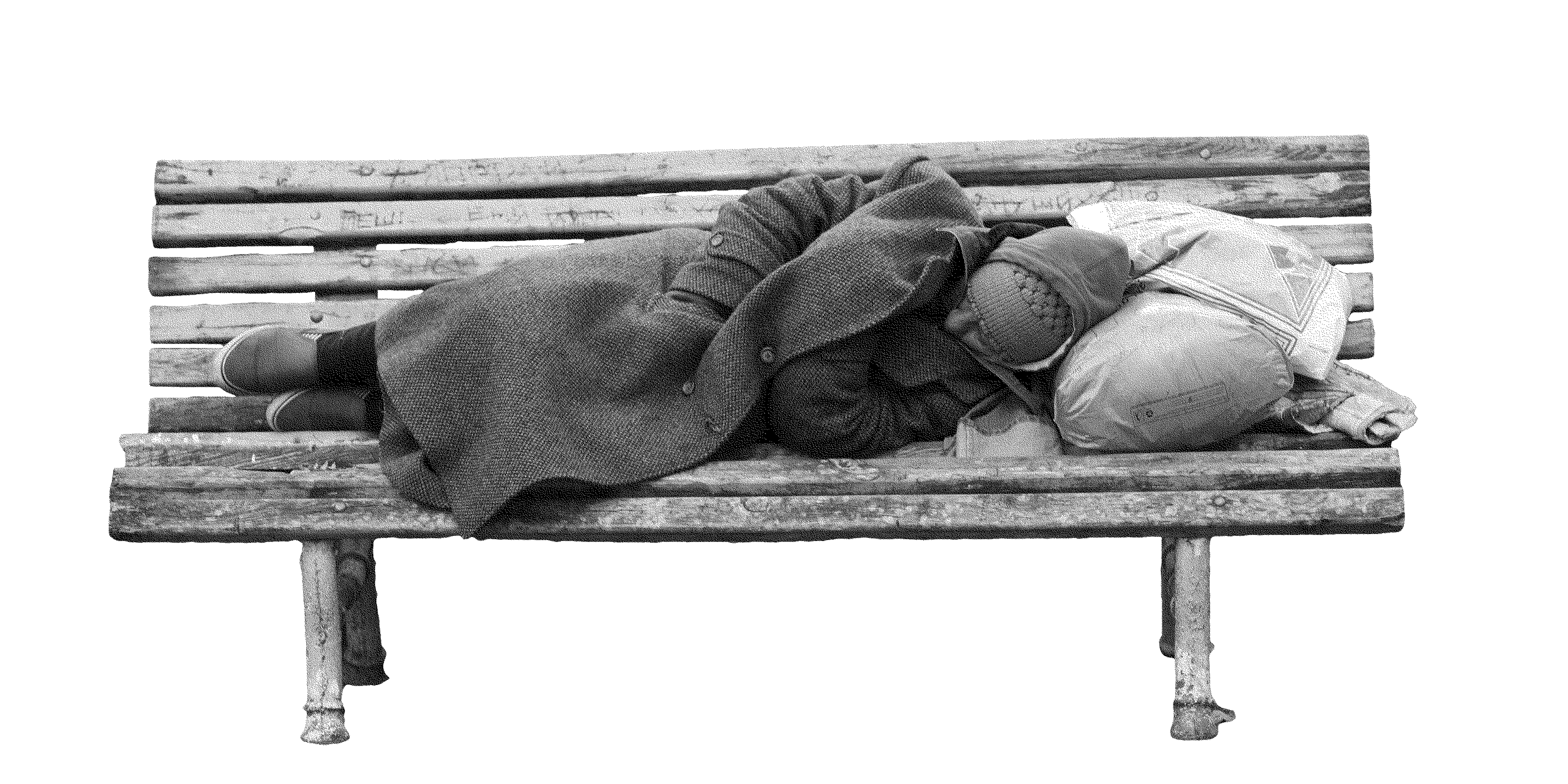
The printed magazine is a square-format publication that mixes articles, images and visual examples. In the first issue, the content focuses on how hostile design shows up in real environments: streets, parks, train stations and other public spaces.
The editorial tone is clear and direct. It is written for people who are interested in design, cities or architecture, but it doesn’t assume they know the theory. The goal is to explain things in a way that feels concrete: here’s what this is, here’s where you see it, here’s why it matters. Future issues are planned to cover other parts of design culture and ethics using the same format.

Website
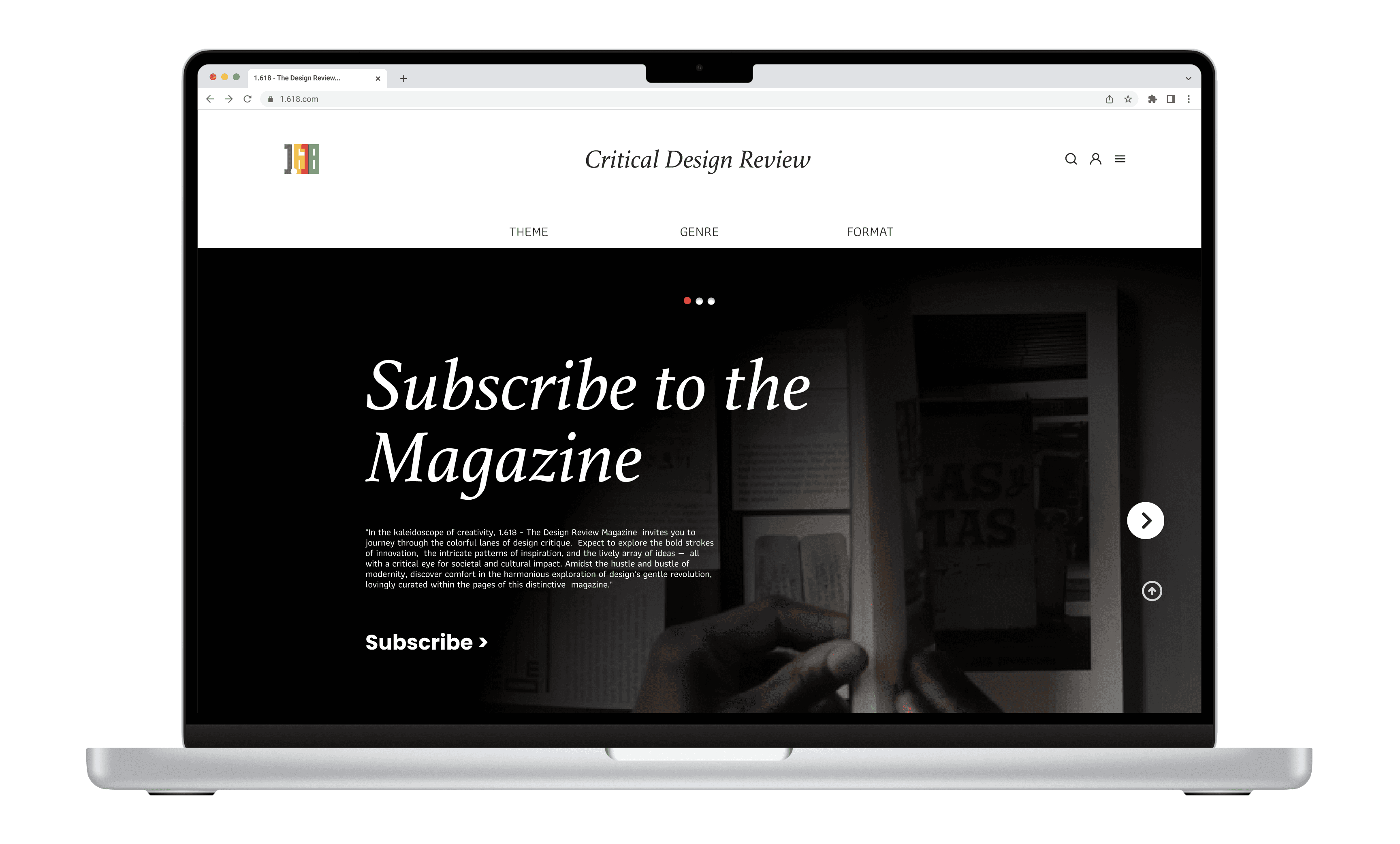
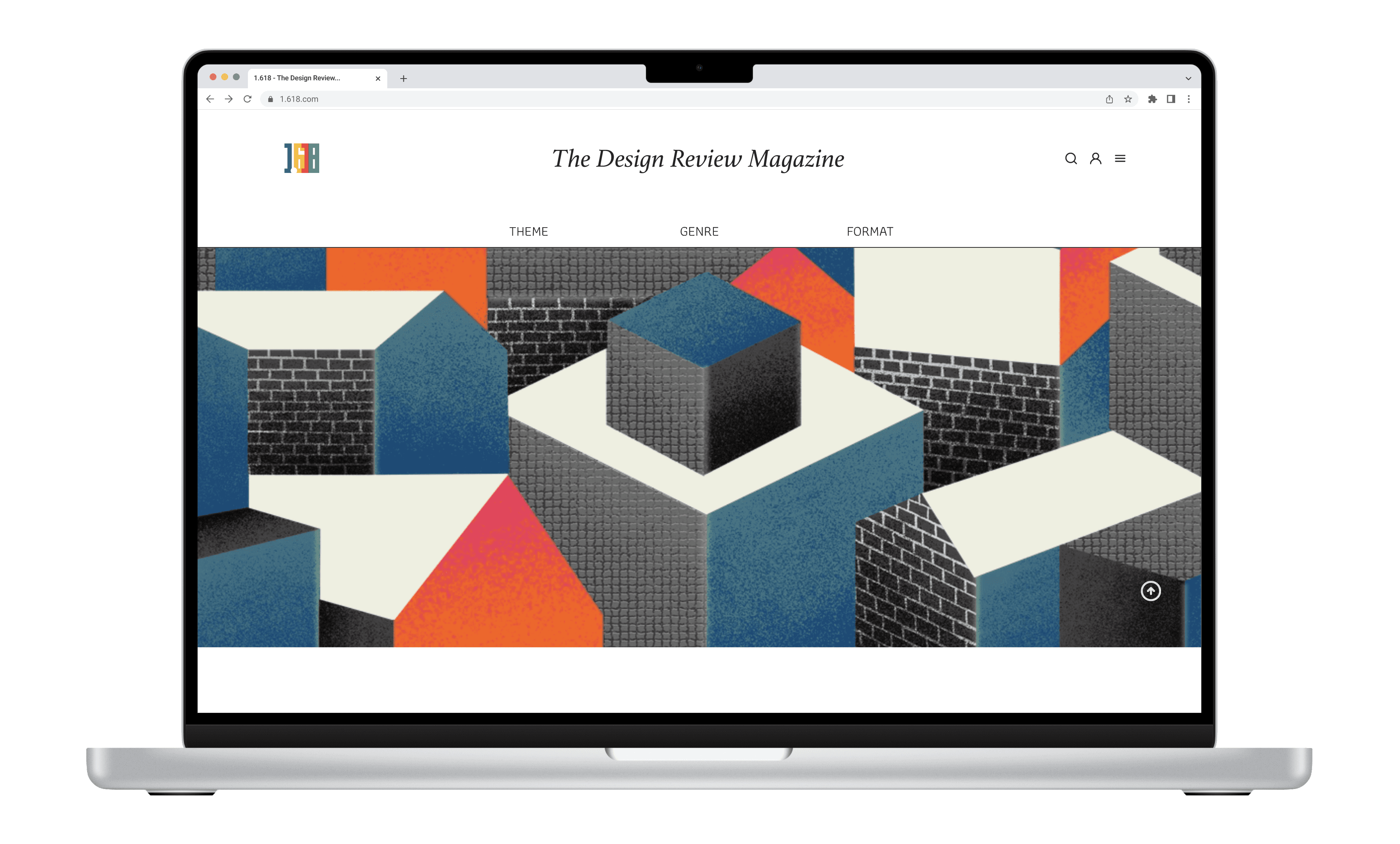
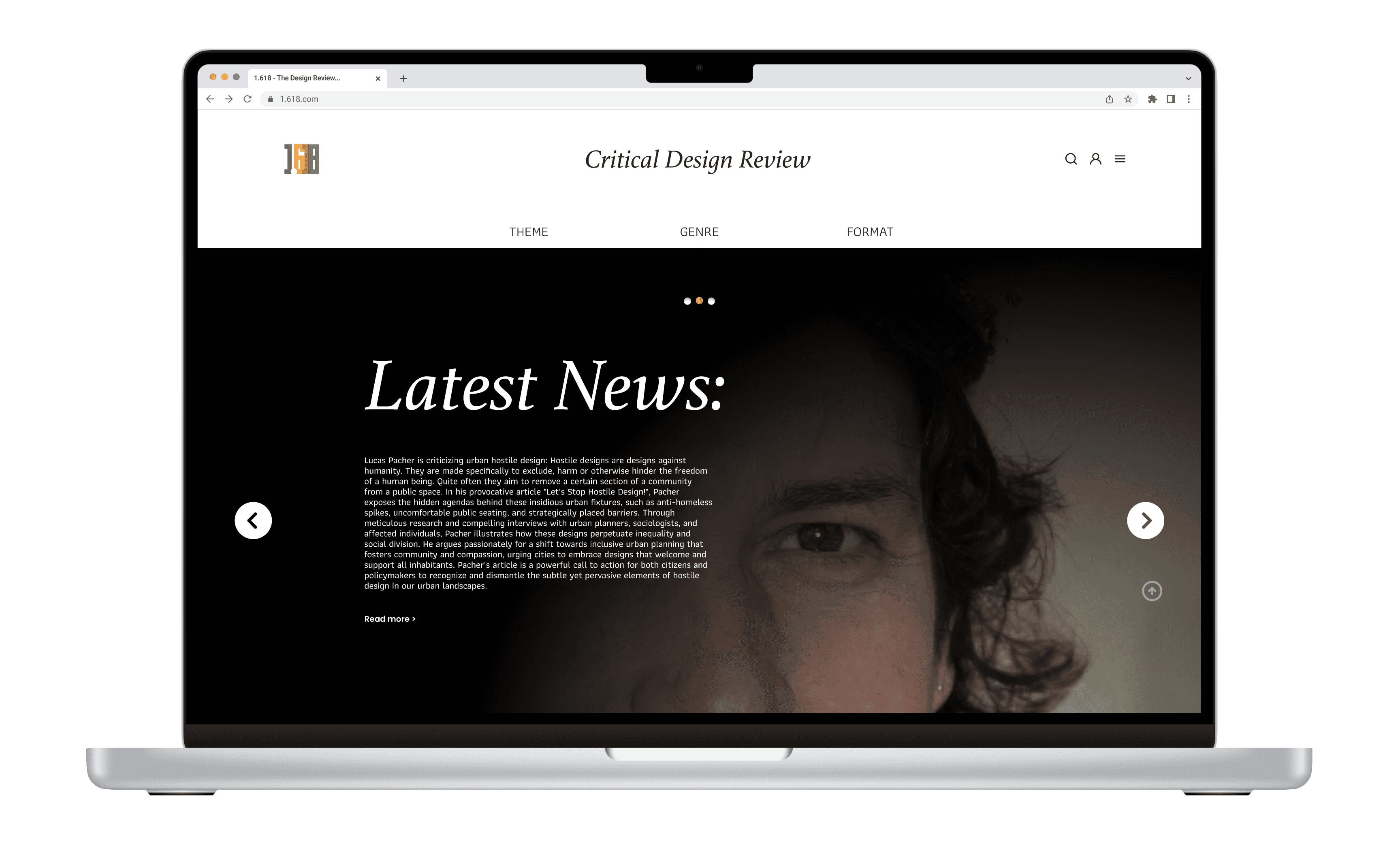
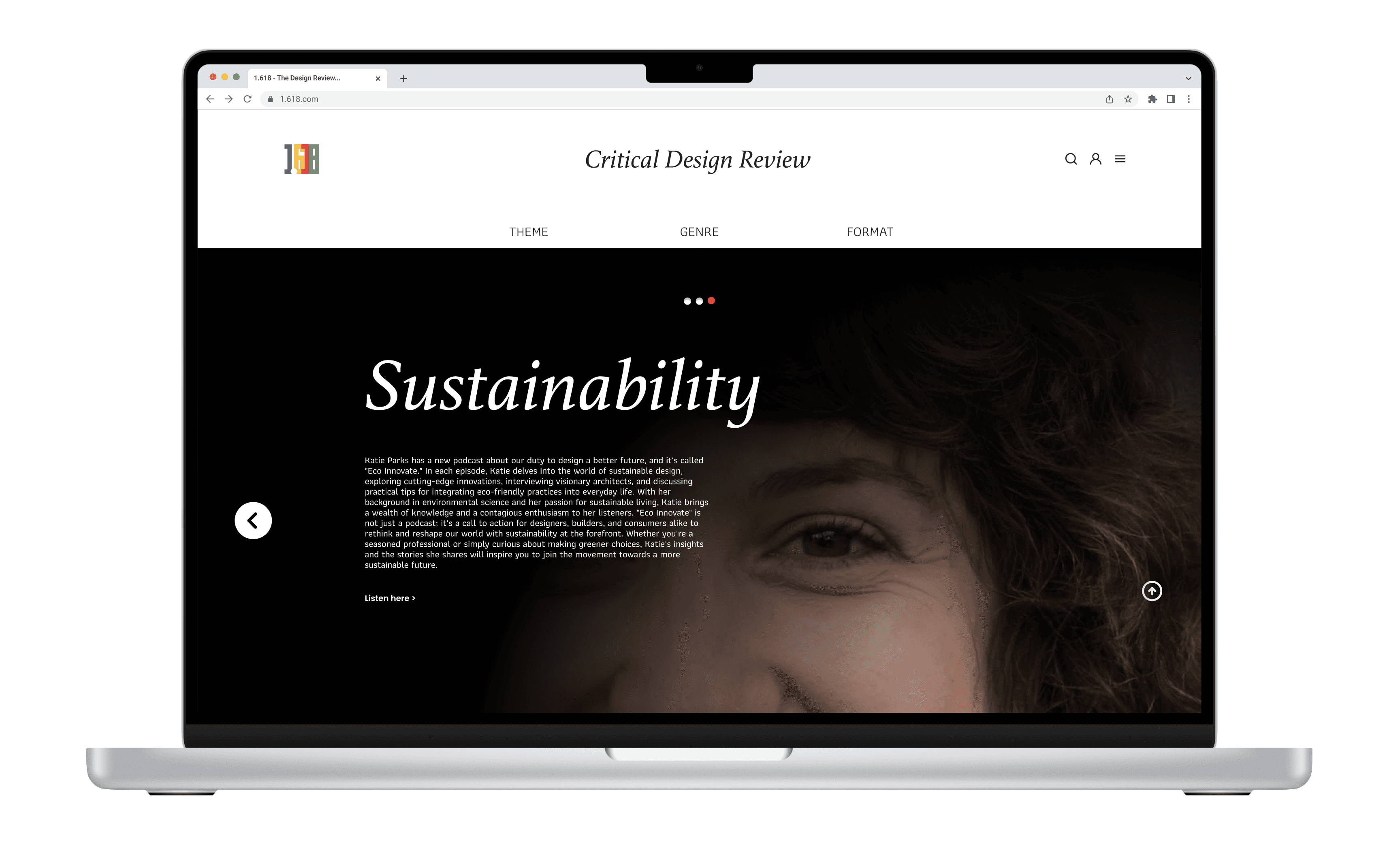
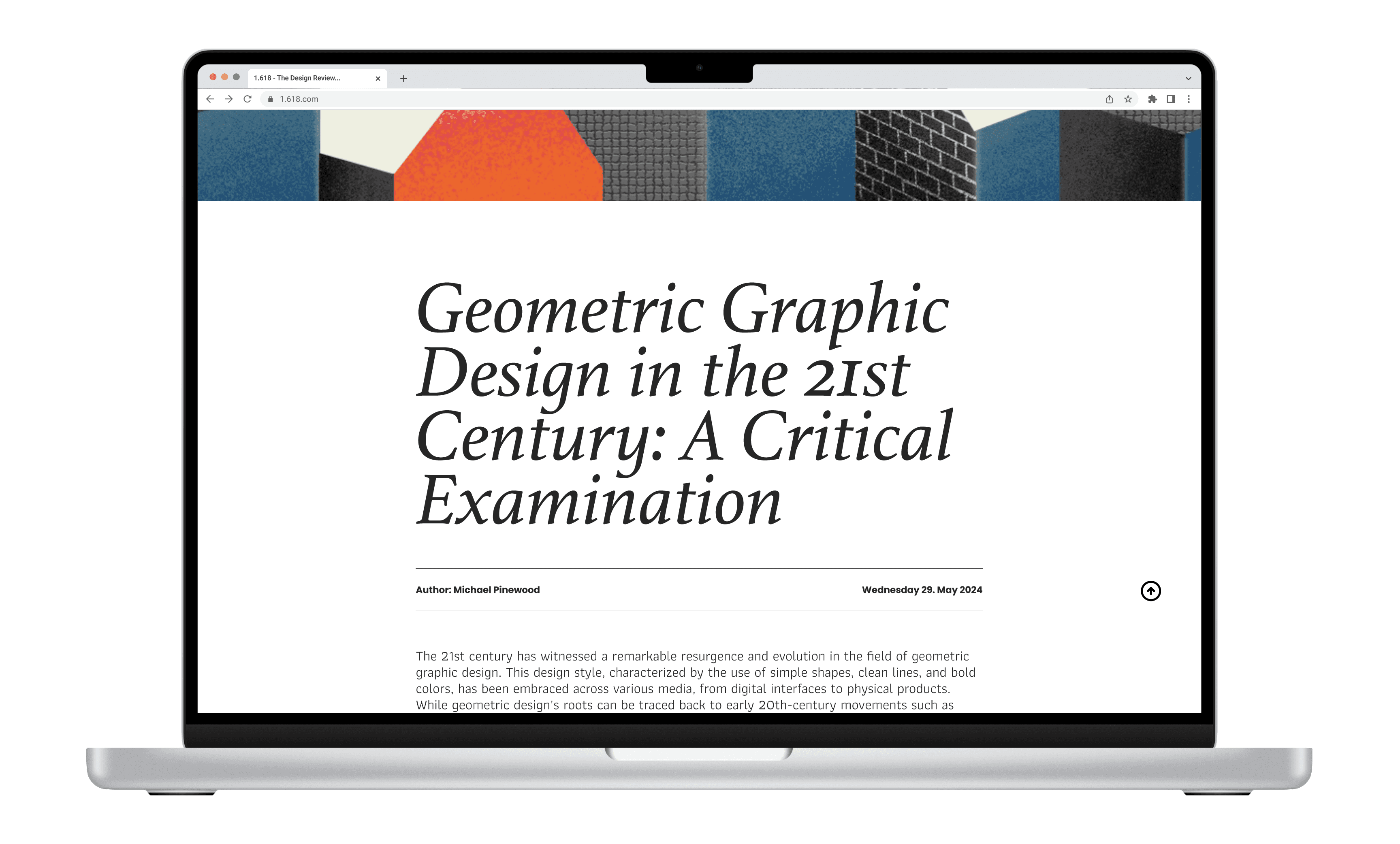
The website is the digital side of 1.618 and is designed to support the magazine, not just copy it.
Its main jobs are to let people:
read and share articles
explore related topics
keep up with new issues and content
The structure is straightforward: a homepage with featured stories, sections for themes, and article pages focused on readability. The site keeps the same identity as the magazine, but uses the strengths of the web: it can grow over time, link topics together and act as an archive for ongoing design critique.